Streetwear Graphic Tee Design: More Than Just a Quote
When you think about a piece of clothing that truly speaks, the Streetwear Graphic Tee Design is the modern standard. It’s not just about slapping a phrase on cotton; it’s about capturing a specific vibe, a cultural moment, or a personal mantra in a way that looks effortlessly cool. These designs have evolved significantly, moving away from generic clip art to become sophisticated pieces of graphic design in their own right. They blend typography, illustration, and color theory to create a wearable art form that resonates with a diverse audience, from skaters to tech entrepreneurs.
The core of a successful streetwear piece lies in its ability to balance boldness with nuance. A great design might combine a gritty, distressed texture with a clean, modern font, or pair an intricate illustration with a simple, powerful slogan. This juxtaposition is what gives streetwear its edge and its enduring appeal. It feels authentic, intentional, and curated. For creators and brand builders, this is the gold standard. It’s the difference between a t-shirt that gets folded in a drawer and one that becomes a favorite, worn-again-and-again staple in someone’s wardrobe.
The Anatomy of an Aesthetic Quote Design
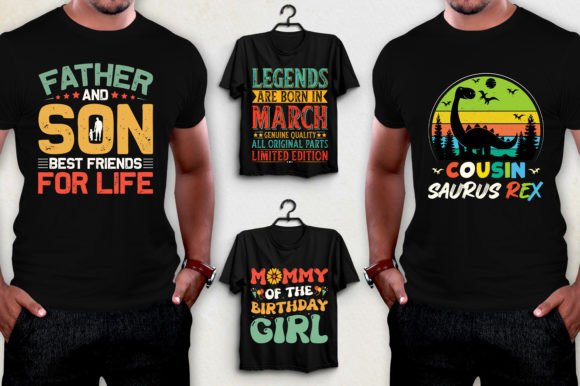
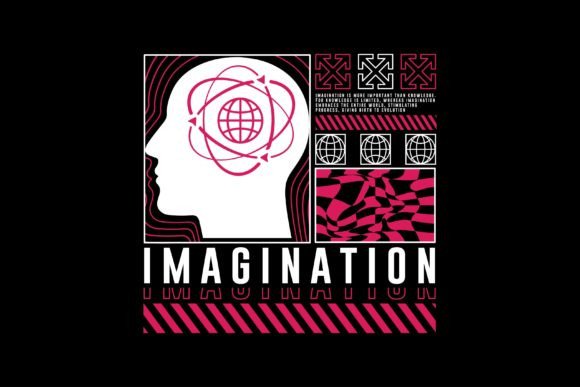
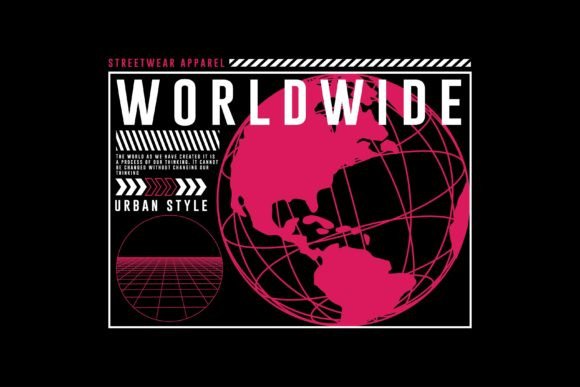
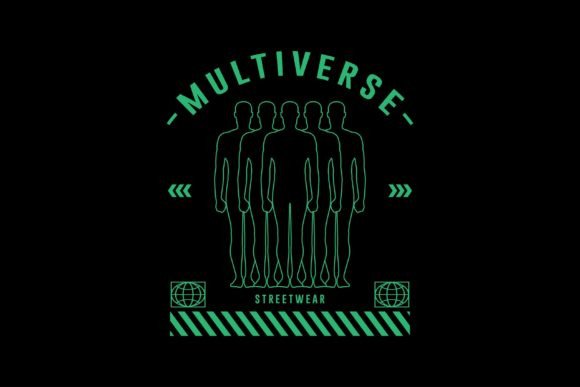
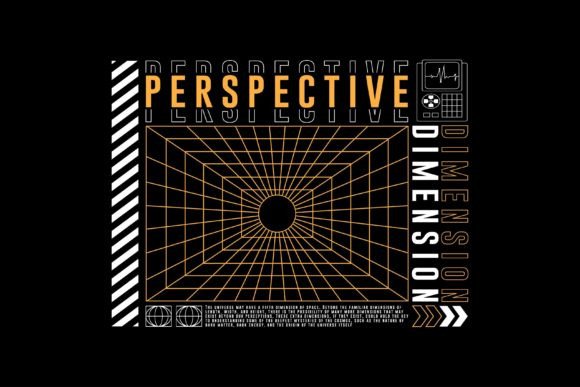
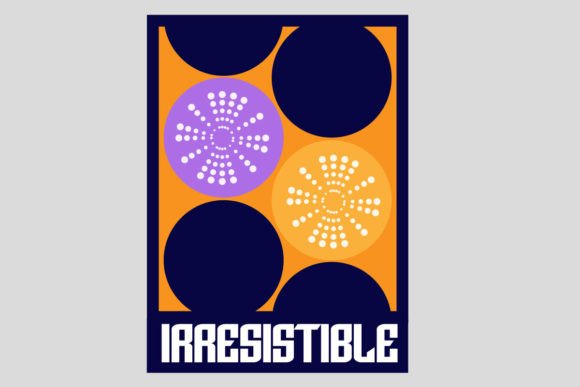
So, what exactly goes into one of these aesthetic quote designs? Let’s break it down visually. You’ll often see a strong typographic foundation. This could be a bold, all-caps sans-serif that commands attention, or a flowing, elegant script that adds a touch of personality. The choice of typeface isn't random; it’s a deliberate decision that sets the tone for the entire piece. A chunky, blocky font might convey strength and confidence, while a delicate handwritten font could suggest creativity and introspection.
Beyond the letters themselves, the composition is key. Designers use careful spacing, alignment, and scale to create visual hierarchy. The main quote might be the star, but supporting elements—like a subtle graphic icon, a decorative border, or a textured background—add depth and context. Color palettes are equally thoughtful. You might see monochromatic schemes for a minimalist, high-fashion look, or vibrant, contrasting colors for a more energetic, youthful feel. The goal is always cohesion. Every element should work together to support the central message, creating a design that feels complete and polished, even when it’s meant to look raw or rebellious.
From Vector File to Finished Product: A Practical Workflow
This is where the rubber meets the road for entrepreneurs and designers. You’ve found a design you love, but how do you actually use it? The answer lies in the file format. Professional-grade assets, like the Streetwear Graphic Tee Design collection, are provided as vector files—typically EPS. This is non-negotiable for anyone serious about quality.
Why vectors? Because they’re mathematically defined, not pixel-based. This means you can scale the design from a small chest print to a massive back print without losing a single ounce of sharpness or clarity. No more blurry edges or pixelated text. You can open these files in software like Adobe Illustrator, Affinity Designer, or even the free Inkscape, and have full control. Need to change the color of the quote to match your brand’s palette? Easy. Want to remove a small graphic element that doesn’t fit your vision? Done. Need to adjust the text to say something slightly different? It’s all editable. This level of flexibility is what separates amateur merchandise from professional, brand-ready apparel.
Building a Cohesive Brand Identity with Graphic Tees
A single, well-designed graphic tee can be a powerful brand asset. But when you use a consistent design language across a collection, you start building a real identity. Imagine launching a small streetwear line. You choose a core aesthetic—maybe it’s minimalist with monochrome palettes and clean typography. You apply that same visual philosophy to a series of different quote designs. Suddenly, your products aren’t just individual items; they’re part of a recognizable family. Customers who connect with that aesthetic will start to seek out your brand specifically.
This principle extends far beyond t-shirts. The same design elements that make a great tee can be adapted for other merchandise. That bold typographic treatment could become your logo. The color palette could inform your website and social media graphics. The illustrative style could be used on stickers, hats, or packaging. This consistency across all touchpoints builds trust and professionalism. It tells your audience that you have a clear vision and that you care about the details. In a crowded market, that kind of cohesion is what makes a brand memorable and worth investing in.
Choosing the Right Design for Your Project
With so many options available, how do you select the right one? Start by defining your project’s goal and audience. Are you creating merch for a gaming community? Look for designs with tech-inspired fonts and glitch effects. Launching a wellness-focused brand? Opt for softer scripts and calming color schemes. For a general streetwear line, study current trends but don’t be a slave to them. The best designs have a timeless quality that transcends a single season.
Always test the design in context. Mock it up on a t-shirt template to see how it sits on the fabric. Consider the print method—sublimation, direct-to-garment, or screen printing—and ensure the design’s complexity is compatible. A highly detailed, full-color illustration is perfect for sublimation but might be costly for screen printing. Finally, look at the file package. A good collection will include not just the final JPG for a quick preview, but the fully editable vector source files. This gives you the creative freedom to adapt, customize, and truly make the design your own, ensuring your final product is as unique as your brand’s vision.