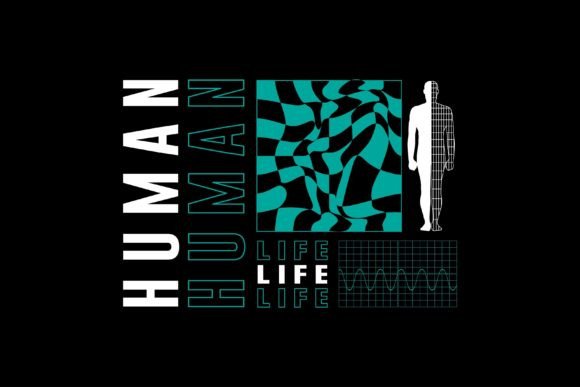
Streetwear Graphic Tee Concept Design: A Creative Toolkit
The raw energy of urban culture is a powerful force in modern branding. Capturing that authentic, gritty, and bold aesthetic requires more than just a cool idea; it demands the right visual tools. A strong Streetwear Graphic Tee Concept Design is a foundational asset for anyone looking to create merchandise, launch a clothing line, or develop a brand with an edge. It’s not just a random graphic—it’s a curated visual language that speaks directly to a specific audience, blending typography, imagery, and attitude into a single, impactful statement.
This particular collection is built for flexibility. It’s designed as a set of design assets that you, the creator, can manipulate to fit your exact vision. Think of it as a high-quality starting point, not a rigid final product. The files are delivered in formats that prioritize editability, which is crucial for professional work. You receive vector sources, meaning every line, curve, and shape is mathematically defined. This allows for infinite scaling without quality loss—blow it up for a massive banner or shrink it for a hang tag, and it stays crisp. The included high-resolution JPGs are perfect for quick mockups or direct use in digital presentations.
The Anatomy of the Urban Aesthetic
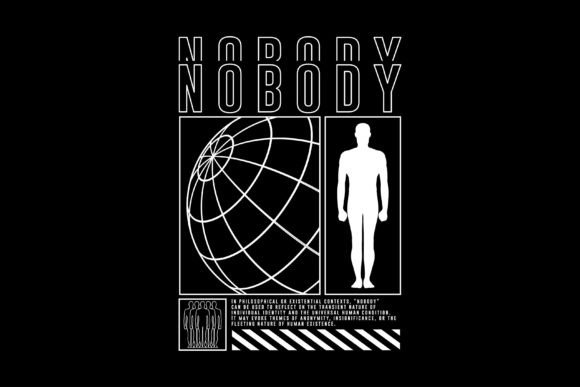
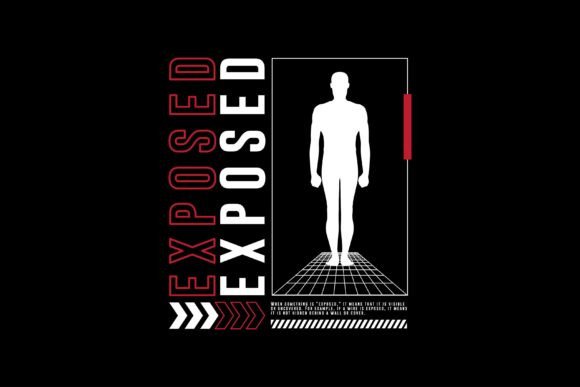
What makes a Streetwear Graphic Tee Concept Design resonate? It’s a combination of visual elements that convey authenticity and counter-culture appeal. Typically, you’ll see a mix of bold, often distressed display fonts paired with more expressive script fonts or handwritten fonts. The typography isn’t just for reading; it’s a texture, a pattern, and a mood. You might find elements that resemble spray paint drips, halftone dots, or gritty textures that give the design a tactile, almost worn-in feel right out of the file.
The composition often plays with balance and asymmetry. A powerful central graphic might be flanked by secondary text elements that frame the design, creating depth and visual interest. The color palettes can range from stark monochrome to vibrant, clashing neons, but they always feel intentional and connected to the streetwear scene. This isn’t the polished, corporate aesthetic of a serif font in a law firm’s brochure; it’s the kind of modern typography you’d see on a limited-edition sneaker box or a music festival poster. Understanding this personality is key to using it effectively.
Practical Applications Beyond the T-Shirt
While the name suggests a focus on apparel, the utility of a versatile Streetwear Graphic Tee Concept Design extends far beyond custom printed clothing. For entrepreneurs and small business owners, this is a multi-purpose creative font system for building a cohesive brand identity. Imagine using the same core graphic style on your website headers, social media profile banners, and packaging for physical products. This consistency builds recognition and professionalism.
Here are specific scenarios where this asset shines:
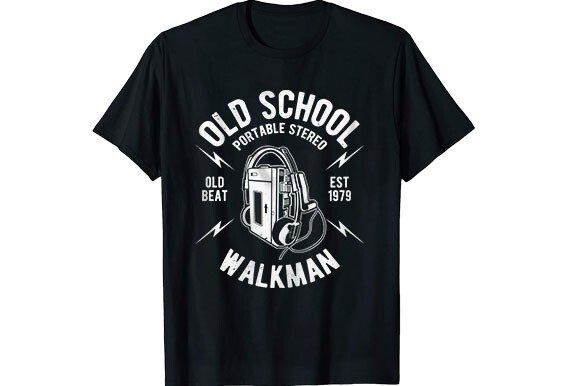
- Apparel & Merchandise: The obvious use. Perfect for t-shirts, hoodies, hats, and tote bags. The vector format is ideal for screen printing, DTG (Direct-to-Garment), and sublimation processes.
- Digital Presence: Use the graphics to create striking social media graphics, YouTube channel art, or podcast cover art. The bold style ensures your content stands out in a crowded feed.
- Editorial & Publishing: A magazine feature on urban culture, a blog header about street style, or a book cover for a contemporary fiction novel can all benefit from this aesthetic. It adds an instant layer of credibility and style.
- Packaging Design: For brands selling products like streetwear accessories, skate wax, energy drinks, or even craft beer, incorporating these elements into your label or box design creates an immediate connection with your target market.
- Event Branding: Concerts, art shows, pop-up shops, and community events can use this design language on posters, flyers, and digital invitations to set the right tone from the first glance.
Working with the Vector Files: A Designer’s Perspective
The real power lies in the provided vector files (EPS format). This is where you move from consumer to creator. Working in software like Adobe Illustrator or Affinity Designer, you can deconstruct the entire concept. Perhaps you love the main typographic lockup but want to change the supporting graphic. Maybe the color scheme doesn’t match your brand’s palette. With vectors, this is simple. You can isolate elements, recolor them, adjust the kerning on the text, or combine parts from different files within the collection to create something entirely new.
A critical step in the process is font pairing. If the design includes editable text, you’ll want to ensure any new text you add complements the existing style. If the main graphic uses a heavy, condensed sans serif font, you might pair body copy with a clean, neutral typeface to maintain readability. The goal is to create a visual hierarchy where the headline grabs attention and the supporting text guides the viewer comfortably. Always test your final design at the intended size—what looks balanced on screen might need adjustment when printed on fabric or paper.
Ensuring a Professional and Cohesive Result
Before finalizing any project, step back and evaluate the work through your audience’s eyes. Does the design communicate the intended message? Is it authentic to the streetwear genre, or does it feel forced? Readability is paramount, even in a style that leans heavily on graphic expression. Ensure that any text, especially crucial information like a brand name or event date, is clear and legible at a glance.
Consider the broader context of your brand identity. This design should feel like a natural extension of your overall aesthetic, not an isolated piece. If your brand is more minimalist, you might use only a single, subtle element from the collection. If it’s maximalist, you can embrace the full complexity. The commercial license included with such assets typically allows for broad use across your own products and client work, but it’s always wise to review the specific terms to avoid any limitations on print runs or merchandise types.
Ultimately, a Streetwear Graphic Tee Concept Design