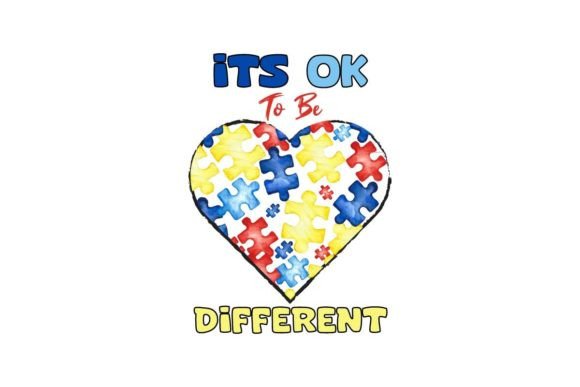
Autism Graphic Tshirt Design: A Complete Creative Asset
When you're building a brand, launching a merchandise line, or simply creating something meaningful for a community, the design assets you choose matter more than most people realize. The Autism Graphic Tshirt Design isn't just another template sitting in a folder—it's a versatile creative resource that bridges awareness, art, and practical application across dozens of project types. Whether you're a small business owner printing apparel, a designer assembling a client package, or a crafter working on personal projects, understanding what this asset offers and how to use it effectively can save you hours of frustration and elevate your final output.
What Makes This Design Asset Stand Out
The Autism Graphic Tshirt Design carries a distinct visual personality rooted in awareness and inclusivity. The imagery typically features symbolic elements associated with autism awareness—puzzle pieces, spectrum-inspired color palettes, and thoughtful compositions that communicate acceptance without relying on clichés. The style balances emotional resonance with clean execution, making it feel both purposeful and professionally crafted. It's not overly abstract or cluttered. Instead, it uses intentional design choices to create something that people genuinely want to wear, display, and share.
What sets this apart from generic awareness graphics is the attention to production-ready detail. You're not getting a rough sketch or a low-resolution file that falls apart the moment you try to scale it. The design is built to perform across different mediums, which brings us to the practical side of what you actually receive.
Understanding the File Formats You Get
The download arrives as a zip file containing multiple formats, and each one serves a specific purpose in your workflow. Here's a breakdown of what's inside and when you'd reach for each file type:
- AI (Adobe Illustrator) – The native vector file. If you need to edit colors, resize elements, or rework portions of the design, this is your starting point. It gives you full control over every anchor point and layer.
- EPS – A widely compatible vector format that works across different design software, including CorelDRAW and older Illustrator versions. Great for handing off to print shops or collaborators who don't use Adobe products.
- SVG – The go-to format for web applications, Cricut machines, and other cutting devices. If you're creating stickers, vinyl decals, or digital graphics, SVG keeps everything crisp at any size.
- PNG – A high-resolution raster file with a transparent background. Perfect for mockups, social media posts, and quick placements where you don't need to edit the original design.
- JPG – A standard image file useful for previews, presentations, and situations where transparency isn't needed.
- PDF – Ideal for print-ready applications, client presentations, or archiving the design in a format that preserves quality and layout.
Having all these formats available means you're not stuck converting files or losing quality in translation. You pick the right file for the job and move forward. That kind of flexibility is especially valuable when you're juggling multiple projects or working with vendors who have specific file requirements.
Where This Design Works Best
The real strength of the Autism Graphic Tshirt Design lies in its range. It's not locked into a single use case, and that adaptability makes it a smart addition to any designer's or entrepreneur's toolkit.
Apparel and Clothing Printing
This is the most obvious application, and for good reason. T-shirts, hoodies, and sweatshirts are among the most popular vehicles for awareness campaigns and community expression. The design translates well to both screen printing and direct-to-garment (DTG) processes. When preparing files for a print shop, the vector formats—AI, EPS, or SVG—let you adjust sizing without quality loss, while the PNG works perfectly for digital mockups or print-on-demand platforms.
Accessories and Merchandise
Beyond clothing, think tote bags, mugs, hats, and phone cases. The clean composition of the design holds up at smaller scales, which matters when you're printing on curved surfaces or limited spaces. A mug wrap or a bag panel has different constraints than a full-front t-shirt graphic, and this asset handles those transitions gracefully.
Stickers, Cards, and Stationery
If you're running an Etsy shop, managing a nonprofit's promotional materials, or creating event giveaways, stickers and cards are cost-effective, high-impact options. The SVG format is particularly useful here because cutting machines like Cricut and Silhouette read it natively. You can produce die-cut stickers or intricate card embellishments without manually tracing anything.
Digital and Print Decoration
Posters, banners, wall art, and printable downloads all benefit from a well-structured vector file. The PDF format ensures that what you see on screen matches what comes off the printer, and the AI file lets you adapt the design for different paper sizes or layout requirements.
How This Design Influences Brand Perception
Design choices send signals. When someone sees a well-executed autism awareness graphic on a t-shirt or product, it communicates intentionality, care, and alignment with a cause. For small business owners and entrepreneurs, incorporating thoughtful awareness designs into your product line can deepen customer loyalty and differentiate your brand from competitors who rely on generic clip art.
Consistency also plays a role. Using the same design asset across multiple touchpoints—your website, your packaging, your social media, your physical products—builds recognition. People start associating that visual language with your brand. The multiple file formats included in this download make that kind of cross-platform consistency much easier to maintain.
Practical Tips for Getting the Most Out of This Asset
Before you start using the Autism Graphic Tshirt Design in production, take a few minutes to evaluate how it fits your specific project. Here are some grounded recommendations:
- Test at actual size. Zooming in on a screen can be misleading. Place the design at the dimensions you plan to print and check how it reads from a normal viewing distance.
- Consider your color palette. The design may use specific awareness colors. If you're adapting it for a brand, make sure the palette aligns with your existing identity or adjust it intentionally using the vector files.
- Pair it with appropriate typography. If you're adding text—whether it's a tagline, a date, or a call to action—choose typefaces that complement the design's style rather than compete with it. A clean sans serif often works well alongside graphic-heavy artwork.
- Check commercial licensing. If you plan to sell products featuring this design, confirm that the license covers commercial use. This is a detail that trips up a lot of first-time sellers, and it's worth verifying upfront.
- Keep the original files intact. Always work from a copy. Preserve the original zip contents so you can go back to the source if something goes wrong during editing.
A Smart Addition to Your Design Toolkit
The Autism Graphic Tshirt Design isn't just a single-use file. It's a production-ready asset with the versatility to support awareness campaigns, product lines, personal projects, and client work across print and digital mediums. The inclusion of AI, EPS, SVG, PNG, JPG, and PDF formats means you're equipped for virtually any output scenario without needing to convert, trace, or rebuild anything from scratch. For designers, entrepreneurs, crafters, and creators who value both purpose and practicality, it's a resource worth having on hand.